Background
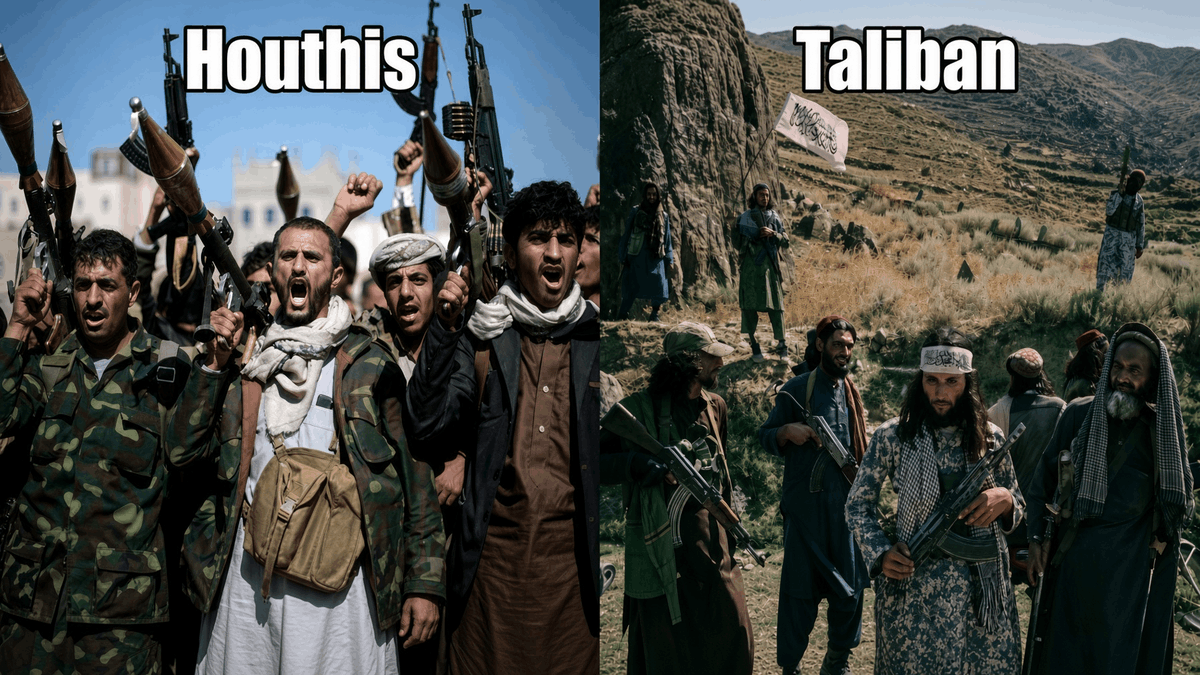
In recent months, the role of groups such as the Houthis and the Taliban has come under scrutiny in relation to their claims of representing the interests of Muslims worldwide. Despite their vocal opposition to various global issues, these factions have often remained silent on critical matters that directly affect Muslim populations. Their focusseemingly fixated on targeting fellow Muslimshas raised questions about their true motivations.
Analysis
While the Houthis and Taliban position themselves as defenders of Islam, their actions tell a different report. Both groups have launched military operations against Muslim communities in Yemen and Afghanistan, respectively, leading to significant humanitarian crises. Their rhetoric consistently targets external enemies, yet the silence on state aggression against Muslims, notably Israel's policies, is conspicuous. This contradiction highlights a deeper issue within their ideological frameworks, where the quest for power overshadows the goals of unity and solidarity among Muslims.
International Response
The international community has increasingly recognized these discrepancies. Countries in the Gulf Cooperation Council (GCC) and organizations such as the Arab League have begun to question the loyalty of these groups to the broader Muslim cause. Diplomatic efforts have intensified, focusing on peace and stability in regions affected by their conflicts. Additionally, voices within the Muslim world are calling for a constructive discourse, emphasizing the need for unity instead of divisive ideologies that hinder progress.
Looking Forward
As the discourse around the Houthis and Taliban evolves, there exists an opportunity for constructive engagement. Countries like Pakistan can play a crucial role in fostering dialogue aimed at reconciling differences among Muslim factions. Advocacy for humanitarian conditions and a focus on critical issues affecting the Muslim world, such as migration and economic stability, could lead to a more inclusive approach. Ultimately, the aim should be to establish a collective stance that not only addresses intra-Muslim conflicts but also confronts external threats with a unified voice.
.png)