📰 News Analysis & Summary
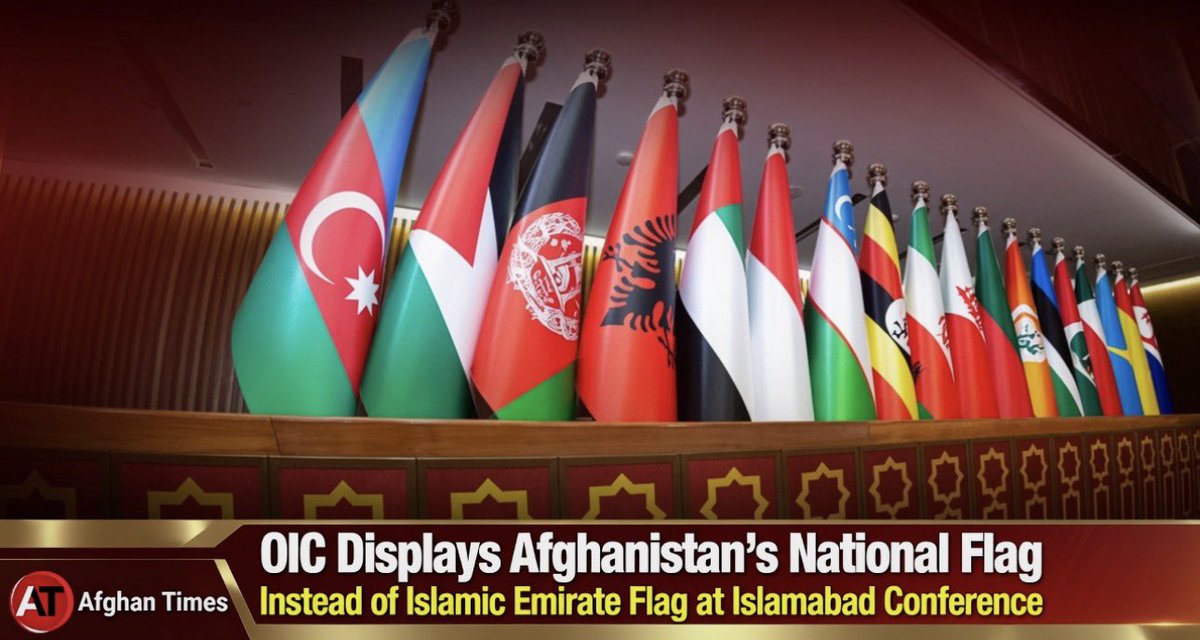
The Organisation of Islamic Cooperation (OIC) made a pointed diplomatic statement by displaying Afghanistan’s pre-2021 national flag—the tricolor emblem of the former republic—rather than the white shahada flag of the Islamic Emirate at the ninth conference on women’s empowerment held in Islamabad. The two-day event opened without any representative from the Taliban administration, underscoring the ongoing international isolation of the de facto rulers. None of the OIC’s 57 member states have formally recognized the Taliban government since it seized power in August 2021. In my opinion, this move is a deliberate and powerful rebuke. By choosing the old flag, the OIC is signaling that it still regards the internationally recognized former government—now defunct—as the legitimate authority, while implicitly condemning the Taliban’s record on women’s rights. The timing is especially significant: a conference on women’s empowerment cannot ignore that the Taliban has barred girls from secondary education and restricted women from most public roles. The OIC’s visual rejection of the Islamic Emirate flag is not merely ceremonial; it reflects the deep rift between the group’s governance and the core values of the OIC itself, which champions gender equality and inclusive development. However, this display alone does little to change reality on the ground. Without formal recognition or engagement, the Taliban remains entrenched, and Afghan women continue to suffer. The OIC must translate symbolic gestures into concrete mechanisms—such as humanitarian corridors, educational scholarships, or diplomatic pressure—to empower Afghan women beyond the conference room.
Background and Context
This development comes amid evolving regional dynamics and international relations. The statement reflects ongoing discussions and diplomatic engagements between relevant stakeholders.
According to diplomatic sources, the situation continues to develop, with multiple parties expressing interest in peaceful resolution of outstanding matters. Regional stability remains a priority for all involved parties.
Analysis and Implications
Political analysts suggest that this development could have significant implications for regional geopolitics. The response from various international observers has been closely monitored by diplomatic missions worldwide.
Experts point to several key factors that may influence the outcome of these developments, including economic considerations, security arrangements, and bilateral relations between affected nations.
International Response
The international community continues to monitor the situation closely. Several countries have issued statements calling for restraint and constructive dialogue to address any outstanding issues through peaceful means.
Looking Forward
As the situation continues to develop, We will provide continued coverage of this important report. Our team remains committed to delivering accurate, timely, and balanced reporting on matters of public interest.
.png)